// MARKET PULSE Asia's chip selloff deepened overnight. The Kospi fell 5.46% and tripped a trading curb. SK Hynix dropped about 10%, and Samsung about 7.4%. Nasdaq-100 futures traded about 0.5% lower. The first big banks reported before the open. Goldman Sachs (GS) posted its second-highest quarterly revenue. JPMorgan Chase (JPM) missed on earnings but raised its interest income outlook. Wells Fargo (WFC) beat with help from a tax benefit. Bonds rallied as the cash market reopened. The 10-year eased about 4 basis points to near 5.20%. Brent settled at $106.65 Monday, its highest close in over two weeks. It slipped to about $105.04 early Tuesday. The demand is there. The money behind it is getting harder to find. 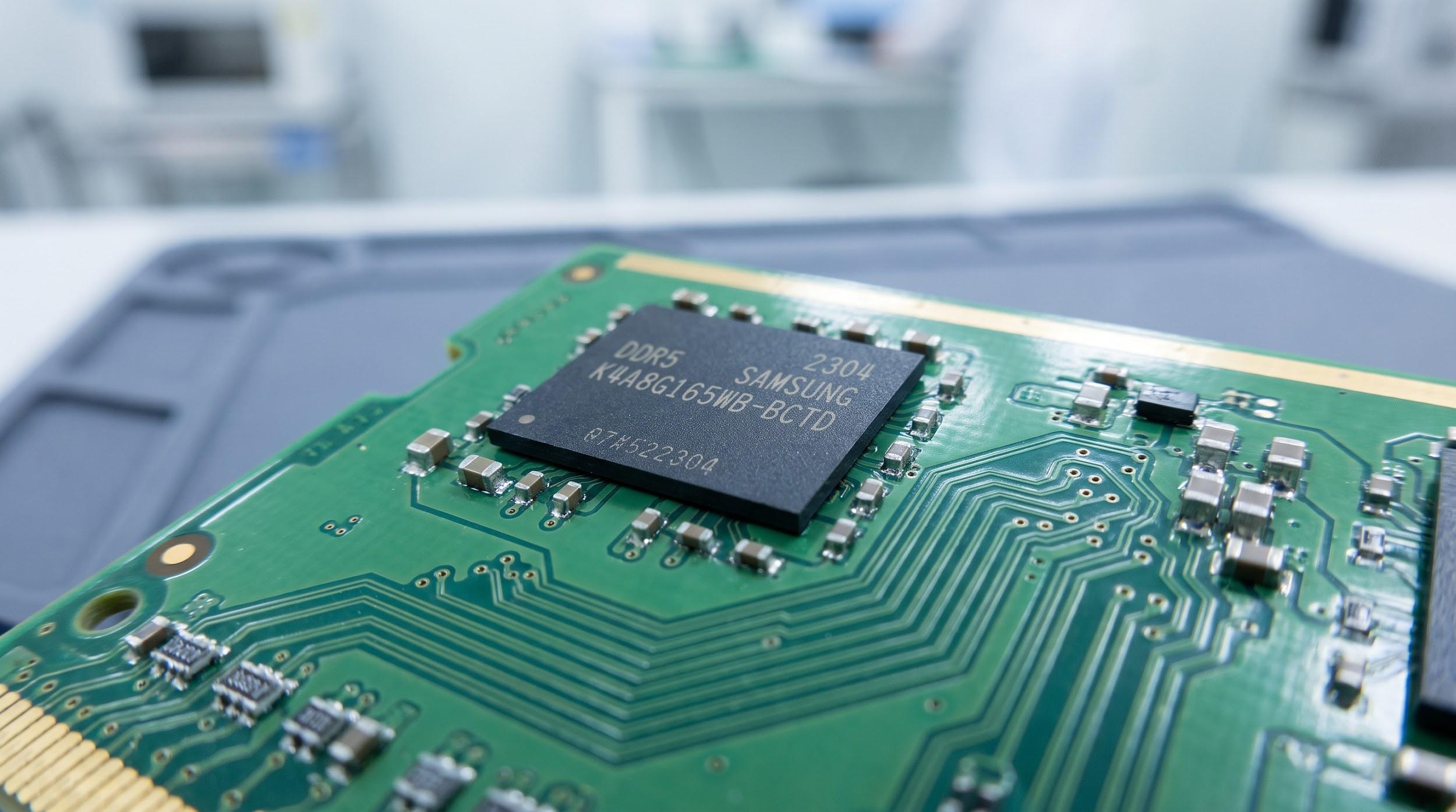
// THE CENTRAL QUESTION Three forces meet before Wednesday's inflation report. The AI build-out is running into the cost of capital. Bank results show who earns from leverage and who pays for higher rates. Oil's war premium keeps inflation sticky. The question is whether the money funding this cycle is getting scarcer just as prices stay hot. // FORCE 1 AI HITS A FUNDING WALLAI's builders are finding capital harder to raise. Hock Tan, chief executive of Broadcom (AVGO), said Monday that capital "might be the biggest constraint" on AI. Several large banks are nearing internal limits on AI exposure, according to a news report. They are exploring ways to sell off risk on data-center loans. Debt costs show the same pressure. Tencent's initial pricing on 10-year dollar notes implied a yield near 6.35%. The selling hit suppliers hardest. Broadcom slipped about 2% while optical stocks fell as much as 10%. Tan also said demand for computing exceeds supply and could stay that way through 2029. Read together, buyers want more than suppliers can build, but the money to pay is getting dearer. That points to slower spending, not necessarily less of it. Korea took the hardest hit because two memory makers carry heavy weights in its index. Reported progress at China's CXMT on a denser memory design added to the selling. The IMF warned Tuesday that "the consequences of an AI correction could be global." > SAVANTS SIGNAL The AI trade's limit has moved from chips to capital. When lenders cap exposure and borrowing costs rise, the pace of orders depends on financing, not demand. That hits the suppliers with the most crowded positions first. Funding is the new supply chain. // FORCE 2 BANKS EARN FROM LEVERAGE, PAY FOR RATESEquity desks carried the big banks' quarter, and capital ratios slipped at all three that reported first. Equities trading revenue rose 72% at Goldman and 49% at JPMorgan. Fixed income fell at all three. Goldman's equities financing, which includes lending to hedge funds, nearly doubled. It produced more revenue than the desk that executes their trades. The cost shows up in capital. Common equity Tier 1 ratios, the core cushion against losses, fell at all three. At Wells Fargo, higher rates cut the value of bonds it holds, trimming the ratio by 0.38 point. JPMorgan missed earnings forecasts but raised its interest income outlook. It also cut net buybacks to $664 million. The strain sits in corporate lending, not consumers. JPMorgan added $452 million to reserves in its corporate and investment bank. Goldman's provision rose on wholesale loan impairments. JPMorgan's card charge-off rate fell from the second quarter. The view changes if Bank of America (BAC) and Morgan Stanley (MS) show the same capital slide Wednesday. > SAVANTS SIGNAL Bank growth is coming from financing leveraged investors as much as from trading for them. Higher rates lift interest income but erode capital through bond losses. That leaves less room for buybacks and for absorbing the AI loans now under review. Profit is up, but balance-sheet room is shrinking. // FORCE 3 THE WAR PREMIUM MEETS THE INFLATION PRINTBrent slipped after its highest close in weeks as Goldman put the war premium above $20. Goldman raised its December forecast to $90. That still implies a drop of about $15 from Tuesday's price. Physical risk rose anyway. A Houthi official called Saudi oil sites "legitimate targets." Hurricane Isaias shut 71.5% of Gulf oil output on Oct. 9. European gas hit its highest since December 2022. The IMF lifted its growth forecast on an oil price the market is not paying. Its 3.1% global forecast assumes oil near $96 this year and a Hormuz reopening by March. Refined fuels remain 70% to 95% above prewar levels. That feeds straight into Wednesday's report. Economists expect September consumer prices to rise 3.6% from a year earlier, up from 3.4%. Core prices are seen rising 0.2% on the month. Futures put October hold odds near 81%. On Kalshi, a December hike traded near 74 cents. > SAVANTS SIGNAL Oil markets and forecasters are pricing two different wars. Goldman and the IMF assume the premium fades, while each new attack adds physical risk. That keeps headline inflation hot even if core cools. December's hike odds rest on the barrel more than on wages. // CLOSING LENS The known facts are a 5.5% Kospi drop and an AI chief naming capital as the limit. Capital ratios fell at three big banks. Brent sits near $105 with a Goldman-estimated $20 premium. Market pricing holds the Fed in October and leans toward a December hike. Nasdaq futures fell only about 0.5%, a sign U.S. traders read Asia's selloff as positioning so far. The Savants read is a tightening regime driven by markets, not just the Fed. Long yields, bank capital limits and war risk are all raising the price of money. What looks underpriced is how much AI spending depends on lenders that are already pulling back. Three tests follow. The first is core CPI against the 0.2% forecast. The second is whether the Kospi holds above 6,000. The third is whether Bank of America and Morgan Stanley report lower capital ratios too. | 


