// MARKET PULSE President Trump announced an "energy ceasefire" between Russia and Ukraine over the weekend. Kyiv said it would agree if Russia did. Moscow has not confirmed a deal. Oil split in two. Brent fell more than 2% Sunday night, then recovered to about $106 by 7 a.m., up about 1.3%. Heating oil, the diesel benchmark, stayed lower. The dollar index held near 102.1, close to an 18-month high. Gold slipped to about $4,201 an ounce. In Seoul, the Kospi fell 3.65% as Samsung and SK hynix each lost more than 4%. Cash Treasury markets are shut for Columbus Day, so the 10-year rests at Friday's 5.24%. The bull market turns four today. The headlines talk peace. The prices still charge for war. 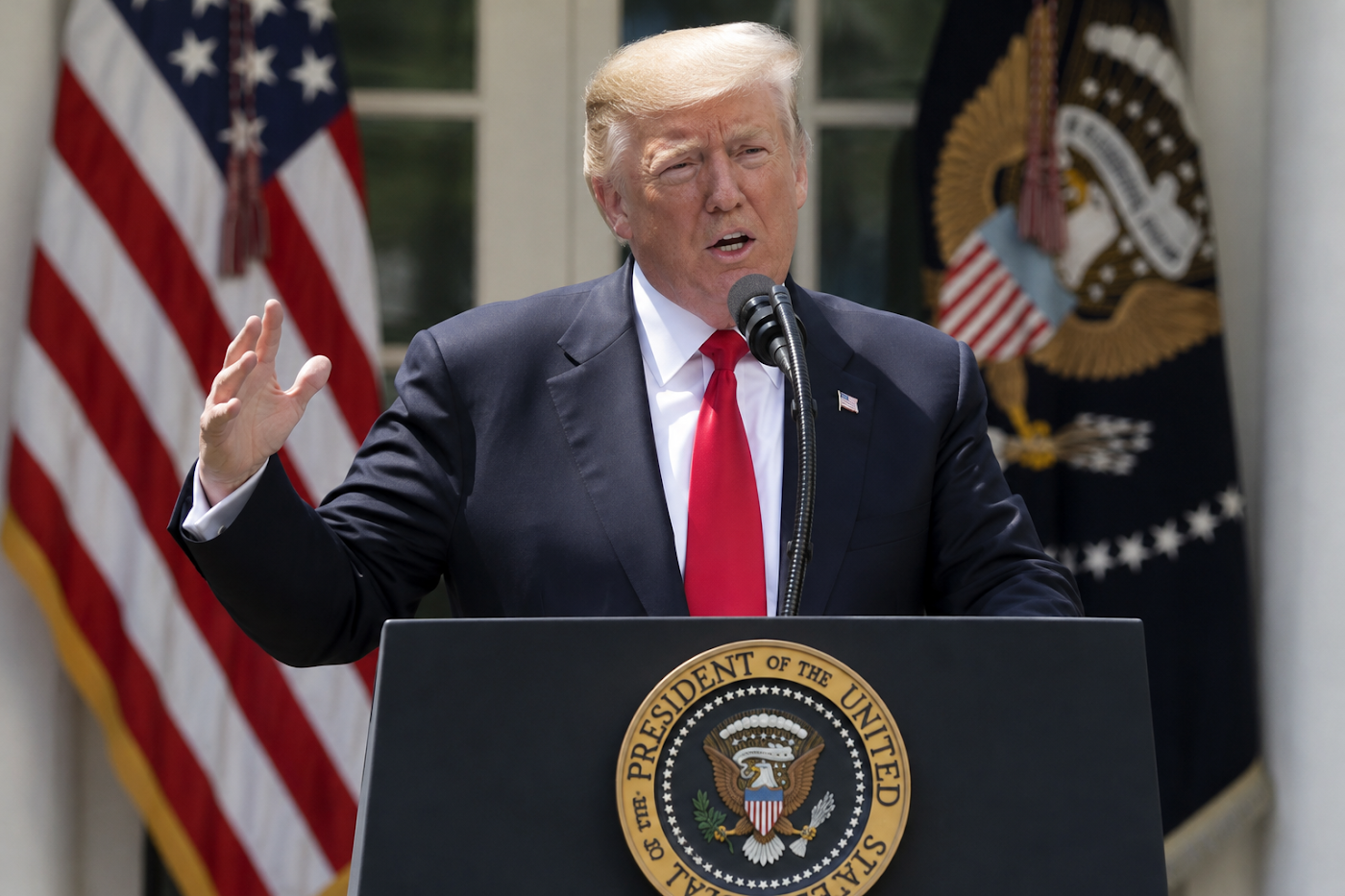
// THE CENTRAL QUESTION Three forces shape the week. The oil premium is spreading beyond Hormuz even as diesel gets a reprieve. The dollar is rising on global stress, not on the Fed. A four-year bull market faces bank earnings and inflation data with yields at a 24-year high. The question is whether profits can keep outrunning the price of risk. // FORCE 1 THE PREMIUM FINDS NEW WATERCrude erased its drop on the energy ceasefire, but diesel did not. Ukrainian drones have targeted Russian refineries, which make diesel. A refinery truce would add fuel long before it changed crude supply. Diesel also had other help, from Friday's Russian diesel deal and a new push for emergency diesel releases. European gasoil fell about 4.6%. Crude kept its premium because the Gulf got worse. Tanker attacks have spread beyond the Strait of Hormuz. A drone struck a tanker off Oman's Sohar anchorage on Sunday. Iran called the U.S. reply on reopening the strait "insufficient." Riyadh's main airport was hit two days running. Asked whether the U.S. would join Saudi strikes, the president said, "We may." Analysts at Goldman Sachs now put the risk premium in Brent at just over $20 a barrel. The view changes if Moscow confirms the truce and its scope covers refineries. > SAVANTS SIGNAL The war premium is moving from one chokepoint to a whole region. Attacks outside the strait and on Saudi airports widen the area traders must insure against. That keeps crude priced for risk even when diesel catches a break. The barrel and the gallon now answer to different wars. // FORCE 2 A DOLLAR RALLY WITHOUT THE FEDThe dollar is near an 18-month high even as traders bet against another Fed hike this month. Futures imply about an 81% chance of an October hold, up from about 51% in late September. Speculators' bullish dollar bets have grown about sixfold in three weeks. The driver is the rest of the world. The euro has fallen five weeks running. The gap between French and German 10-year yields sits near its widest since 2012. Gulf attacks have also pulled haven money into dollars. That breaks the usual link. Fading hike odds normally weaken the dollar. Gold shows the cost of 5% yields. China has already imported about 29% more gold by weight than in all of 2025. Its central bank bought for a 23rd month. Prices still fell 8.5% in September. Gold pays no interest, while Treasuries pay more than 5%. Wednesday's consumer price report is the next test. Economists expect core prices to rise 0.2% in September. > SAVANTS SIGNAL The dollar is behaving like a haven again, not a rate bet. Weakness in Europe and conflict in the Gulf are doing the work that Fed hikes used to do. That keeps financial conditions tight abroad even if the Fed pauses. A softer Fed no longer guarantees a softer dollar. // FORCE 3 THE BULL TURNS FOUR ON BORROWED TIMEThe bull market turned four with the S&P 500 up more than 110%. It is doing something rare, rising alongside long rates. The 10-year hit levels last seen in 2002 last week, and stocks still finished higher. Earnings have carried it. Analysts expect third-quarter S&P 500 profits to grow 29.6%, a third straight quarter above 25%. JPMorgan Chase (JPM), Goldman Sachs (GS), Wells Fargo (WFC) and Citigroup (C) open the season Tuesday. The banks will show who is paying for 5% rates. Higher rates can lift loan income, raise deposit costs and cut the value of bonds banks hold. Credit strain shows up first in loan-loss provisions. The first crack came from memory chips. Korea's selloff hit Samsung and SK hynix, while the won rose to a two-year high. That pattern points to a crowded chip trade, not a loss of faith in Korea. The chief executive of Broadcom (AVGO) also said capital "might be the biggest constraint" on AI. The view changes if bank executives describe rising credit stress in their customers. > SAVANTS SIGNAL This bull market has survived higher rates by growing profits faster. That only works while earnings keep beating and AI spending keeps flowing. A hint that capital is limiting AI growth hits the one engine still outrunning yields. Earnings season is now a test of funding, not just demand. // CLOSING LENS The known facts are an unconfirmed energy truce, diesel lower and Brent near $106. The dollar sits near an 18-month high, gold is falling despite record Chinese buying, and Korea's memory leaders slid. Market pricing expects the Fed to hold this month. It charges about $20 of war premium in crude. The Savants read is a regime where global stress, not the Fed, tightens conditions. Haven demand lifts the dollar, war risk lifts crude, and long yields stay high. What looks underpriced is how much the bull market depends on AI funding staying cheap enough. Three tests follow. The first is Tuesday's bank results, especially loan-loss provisions. The second is Wednesday's core inflation reading against the 0.2% forecast. The third is whether the dollar index breaks above last week's 102.5 peak. | 


